Respiratory equipment
Reading a nebulizer specification: MMAD, output and the supplied kit
Two nebulizers can list a particle-size figure and still give you different information. Ask what was measured and which kit was tested before treating the numbers as comparable.
Know what MMAD describes
Mass median aerodynamic diameter, or MMAD, describes an aerosol's particle-size distribution by mass. Half of the particle mass lies above that diameter and half below it. It does not mean that every particle has the stated diameter. The FDA's 1993 reviewer guidance distinguishes MMAD, geometric standard deviation and total emitted mass in aerosol testing.
When comparing quotations, request the underlying technical report or datasheet and check the test method, liquid and equipment configuration. A listing that says particle size without identifying the metric needs clarification. Keep the supplier's exact wording in your comparison until the meaning is confirmed. These definitions help with procurement; they do not determine a treatment, medicine or patient-specific device choice.
Keep different measurements in separate columns
Record particle-size information, nebulization rate, cup capacity, residual volume and compressor flow as separate fields when supplied. Do not substitute one for another. If the units or test conditions are absent, flag the field for confirmation before using it to rank products.
A quoted rate should be accompanied by its definition and method. Ask whether the value refers to liquid consumed from the cup or aerosol output measured by a specified test. The same FDA technical reference discusses aerosol mass and particle-size distribution separately. Treat a supplier's headline figure as an incomplete comparison until its basis is clear.
| Listed field | Ask the supplier |
|---|---|
| Particle size | Which metric and test method? |
| Nebulization rate | What was measured, using which liquid and kit? |
| Cup capacity | What are the specified fill limits? |
| Runtime | Under which power and test conditions? |
Specify the exact nebulizer kit
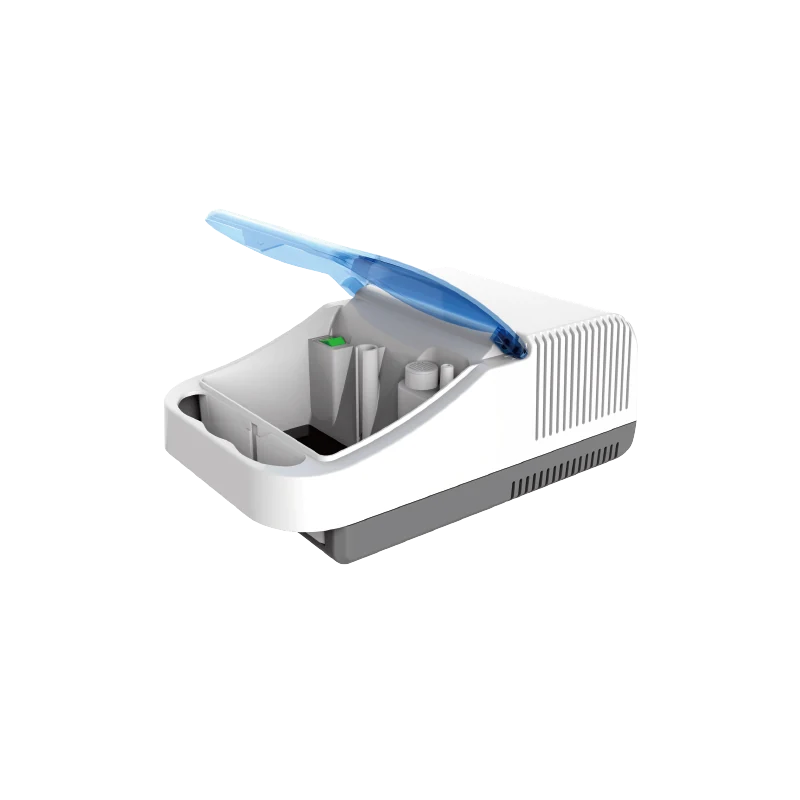
Ask the quotation to list the compressor, nebulizer cup, tubing, mouthpiece, masks and filters individually. State the quantity of each accessory required. A product photograph may include an optional item or a different kit configuration, so the written list should settle what will arrive.
Request the manufacturer-approved accessory references and the instructions covering their use. Where you plan to reorder consumables, ask for separate part numbers and pricing. Confirm the cleaning, replacement and single-use or reusable status from the manufacturer's instructions; do not infer it from the material or appearance of a component.
Check power and operating limits
For mains-powered equipment, specify voltage, frequency and destination plug. For a portable option, request the battery or external-power arrangement and the stated runtime under defined conditions. Ask whether the supplied power adapter is included in the base price.
Record any duty-cycle limit and the operating or storage conditions stated by the manufacturer. If sound level is important to your purchasing brief, ask for a measured value and its test conditions. Separate unit weight from packed shipping weight, particularly when comparing portable equipment or calculating a shipment.
Finish with a document check
Match the current datasheet, instructions for use and offered accessories to the exact model on the quotation. Where the intended market requires regulatory documents, specify the destination and ask for documents that identify that model and the relevant legal manufacturer. A general company certificate should not be treated as evidence for an unnamed product.
Your qualified clinical team should review intended use and compatibility with its treatment protocols. Procurement can then compare the agreed configuration, commercial terms, replacement accessories and delivery scope. Include unresolved technical questions in the enquiry to Autograph, along with the catalogue reference, quantity and destination.
Sources
Sources reviewed 27 October 2026. Confirm current requirements for your product and destination.
Read next